
Kayser-Fleischer (K-F) Rings
What is Kayser-Fleischer (K-F) Rings?
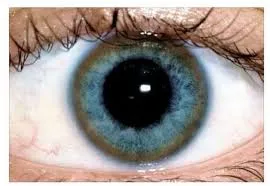
Kayser-Fleischer (K-F) rings are dark brown, blond/golden, or greenish-colored rounds/circles that build at the edge or perimeter of the cornea, the clear, dome-shaped surface/cover at the front of the eye, are developed by deposits of copper in the Descemet’s membrane of the cornea, generally due to a rare congenital disorder called Wilson’s disease, that does not affect vision or eyesight but are considered a crucial diagnostic indicator of underlying copper metabolism disorders.
Possible Causes
- One of the preliminary causes of Kayser-Fleischer rings/circles is a proliferation of Copper elements in the human body, a sign of Wilson’s disease and a genetic disorder marked by the body’s inability to eliminate excessive amounts of substance from the body.
- The most common reason for Copper, a substance produced in different organs of the human body, such as the liver, brain, and eyes, is Wilson’s disease, though other conditions as follows may also play a significant role in its deposition in the cornea:-
- Chronic liver diseases such as cirrhosis.
- Copper exposure through environmental or occupational hazards (rare).
Care & Treatment
The presence of Kayser-Fleischer rings signifies systemic copper overload, necessitating comprehensive care and treatment:-
Diagnosis:-
- Eye Examination – The rings are typically detected during a slit-lamp examination by an ophthalmologist.
- Additional Tests – To confirm Wilson’s disease, doctors may recommend:-
- Blood tests to check serum ceruloplasmin levels (a copper-binding protein)
- Liver function tests and genetic testing
- Urine tests to measure 24-hour copper excretion.
- Liver biopsy or imaging studies (MRI/CT) for further evaluation
Medical Treatment:-
- Chelation Therapy – Medications like penicillamine or trientine help remove excess copper from the body.
- Zinc Therapy – Zinc acetate is used to block copper absorption in the gastrointestinal tract, particularly for maintenance therapy.
Liver Transplantation:-
- In advanced cases of Wilson’s disease with severe liver damage, a liver transplant may be necessary.
Supportive Eye Care:-
- Although the rings themselves do not usually require direct treatment, addressing the underlying copper overload can reduce their appearance over time.
Prevention
Preventing Kayser-Fleischer rings involves early detection and management of copper accumulation disorders:-
- Genetic Screening – If there is a family history of Wilson’s disease, genetic testing can identify at-risk individuals.
- Dietary Changes – Limiting copper-rich foods such as shellfish, liver, chocolate, nuts, and mushrooms may help reduce copper levels.
- Regular Monitoring – For those diagnosed with Wilson’s disease, regular check-ups, including liver function tests and copper measurements, are crucial.
When to Call the Doctor
It’s important to seek medical attention if you or someone you know exhibits the following symptoms associated with Wilson’s disease:-
- Neurological issues like tremors, muscle stiffness, or difficulty speaking.
- Behavioral changes, including depression or mood swings.
- Signs of liver dysfunction such as jaundice (yellowing of the skin or eyes), abdominal pain, or fatigue
- Vision changes or unexplained eye discoloration.
- Early diagnosis and treatment can prevent serious complications, including liver failure or irreversible neurological damage.
Can Kayser-Fleischer rings disappear after treatment?
Yes, with effective treatment of Wilson’s disease, the rings may fade over time as copper levels normalize.
Are K-F rings always present in Wilson’s disease?
While they are a common sign, especially in advanced cases, not all individuals with Wilson’s disease develop Kayser-Fleischer rings.
Do K-F rings affect vision?
Typically, they do not impair vision since the copper deposits are located at the periphery of the cornea.
Can Kayser-Fleischer rings be detected without symptoms of Wilson’s disease?
In some cases, the rings may be an early sign, even before symptoms like liver or neurological issues appear.
Conclusion
Kayser-Fleischer rings are a vital diagnostic clue for systemic copper overload disorders, primarily Wilson’s disease. Prompt recognition, diagnosis, and treatment can prevent serious complications and improve quality of life. If you suspect you or someone you know may have symptoms related to copper metabolism, consult an ophthalmologist or hepatologist immediately.
Why Tender Palm Eye Hospital for Kayser-Fleischer (K-F) Rings Treatment in Lucknow, India?
Tender Palm Eye Hospital, owned and managed by a team of highly qualified doctors, is renowned for attracting some of the country’s leading specialists in ophthalmology and systemic disorders. With top-tier ophthalmologists experienced in diagnosing and managing conditions like Kayser-Fleischer Rings, which are often associated with Wilson’s disease and systemic copper accumulation, Tender Palm stands out as the premier destination for advanced eye care in Gomtinagar, Lucknow (U.P.) – India.
Our specialists focus on identifying underlying causes such as hepatic dysfunction, neurological symptoms, or metabolic disorders contributing to ocular manifestations like Kayser-Fleischer Rings.
Equipped with state-of-the-art diagnostic tools, including slit-lamp Biomicroscopy for precise corneal examination and advanced imaging technologies, Tender Palm ensures accurate diagnosis and personalized treatment plans for its patients. We also collaborate with hepatologists and neurologists to offer comprehensive care for systemic conditions linked to ocular health.

