
Synechiae (Eye)
What are Synechiae in the eye?
Synechiae is a medical term referring to abnormal adhesions between different structures within the eyes of the patients that emerge when the iris (the colored part of the eye) sticks to either the cornea (anterior Synechiae) or the lens (posterior Synechiae) of the eye, disrupting natural fluid drainage in the eye and triggering specific complications such as increased intraocular pressure or glaucoma. According to medical experts, the Synechiae generally affects individuals with certain complications such as Uveitis (eye inflammation), injuries, and infections. Still, they affect the persons with blindness as well, if not treated on time.
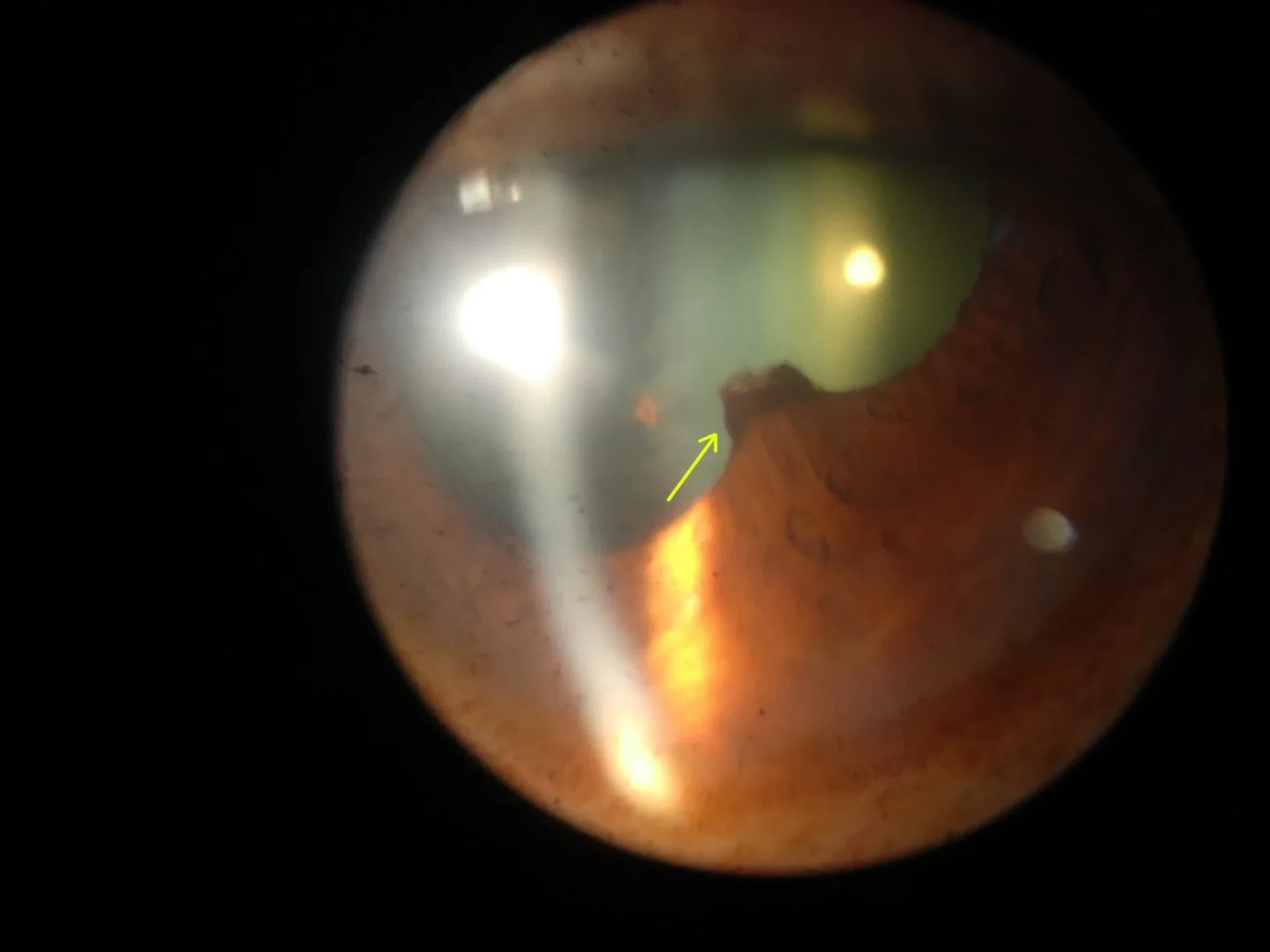
What are the symptoms of Synechiae?
Following are the common symptoms of Synechiae that may vary depending on the severity of the adhesion and the underlying factors:-
- Blurred vision
- Eye pain or discomfort
- Sensitivity to light (photophobia)
- Redness in the eye
- Reduced vision in severe cases
What causes Synechiae in the eye?
There may be different causes of Synechiae, mainly induced by rash or inflammation within the eye, such as Uveitis, that may include:-
- Trauma or injury to the eye
- Eye surgeries
- Infections like herpes simplex virus
- Glaucoma
- Autoimmune disorders that affect the eyes
In some cases, the condition may develop without a clear cause but is often linked to chronic or untreated inflammation.
How are Synechiae diagnosed?
An eye care professional can diagnose Synechiae through a comprehensive eye examination, which includes:-
- The slit-lamp examination helps the doctor observe the anterior part of the eye, including the cornea, iris, and lens, to detect any bonding or adhesions.
- Intraocular ‘pressure test’ helps doctors know the causes of eye pressure, revealing complications such as angle-closure glaucoma due to Synechiae.
- Ophthalmoscopy test provides a more precise picture of the retina and optical nerve to evaluate any injury caused by increased stress or hives, so in some cases where the underlying reason is disputable, additional examinations for infections or autoimmune disorders may be conducted by health experts.
How is Synechiae in the eye treated?
The following are the treatment options for Synechiae that concentrate on handling the underlying reason and averting further damage and injuries to the eye of a person:-
- Medications – Anti-inflammatory eye drops, such as corticosteroids, are often prescribed to reduce inflammation. In some cases, cycloplegic eye drops may be used to prevent further adhesions by dilating the pupil.
- Laser therapy – For posterior Synechiae, laser iridology or iridoplasty may be performed to release the adhesions and restore proper fluid drainage in the eye.
- Surgical intervention – In severe cases where Synechiae lead to complications such as glaucoma or corneal damage, surgery may be required to correct the adhesions and relieve pressure. Prompt treatment is essential to prevent permanent vision loss or more serious conditions like glaucoma.
Can Synechiae be prevented?
Have a look at the preventive measures for Synechiae that revolve around managing the underlying conditions that may cause inflammation in the eye of person:-
- Prompt treatment of Uveitis or other eye inflammations
- Regular eye check-ups, especially if you have a history of eye trauma or autoimmune disorders
- Proper care and treatment following eye surgeries or injuries
- Managing conditions like glaucoma or infections early to prevent complications
What is the prognosis for individuals with Synechiae?
The prognosis for Synechiae depends on the extent of the adhesions and how early the condition is detected and treated. If treated promptly, Synechiae can often be resolved without long-term damage. However, if left untreated, Synechiae can lead to complications such as glaucoma, corneal edema, or permanent vision loss. The overall outlook is favorable if the underlying cause is well-managed and regular follow-up care is maintained.
How can individuals live with Synechiae and manage their condition?
Living with Synechiae requires consistent eye care and monitoring to avoid complications. Steps include:-
- Regular follow-up visits – Keeping regular appointments with an eye specialist ensures that any changes in eye health are detected early.
- Medication adherence – Strictly following prescribed treatments, including eye drops and other medications, helps control inflammation and prevents further adhesions.
- Eye protection – If the Synechiae result from trauma, using protective eyewear can help avoid additional injuries.
- Symptom management – Managing symptoms like eye pain or blurred vision with the appropriate treatments can help maintain quality of life.
With careful management and timely intervention, most individuals with Synechiae can maintain good vision and avoid serious complications.
Why Tender Palm Eye Hospital for Synechiae Treatment in Lucknow, India?
Tender Palm Eye Hospital, led by a team of expert ophthalmologists, is known for attracting some of the most skilled professionals in the field of eye care across the country. With a focus on conditions like Synechiae, Uveitis, and other ocular disorders, Tender Palm Eye Hospital stands out as the premier ophthalmology center in Gomtinagar, Lucknow (U.P.), India.
Equipped with state-of-the-art infrastructure and the latest ophthalmic technology, Tender Palm ensures that patients receive world-class treatment and personalized care for their eye conditions.

