
Morning Glory Syndrome (MGS)
What is Meibomian Gland Dysfunction (MGD)?
Meibomian Gland Dysfunction (MGD) is a common eye problem/condition that affects the tiny glands lining the edges of our eyelids, also known as Meibomian glands, which glands produce oils to build up the outermost layer of the tear film which prevents the evaporation of tears and keeps the eyes moist, soft and lubricated. But in MGD condition the glands get blocked so they don’t function properly, causing as a result dryness, and irritation/discomfort in the eyes. MGD can affect anyone but is more common in older adults.
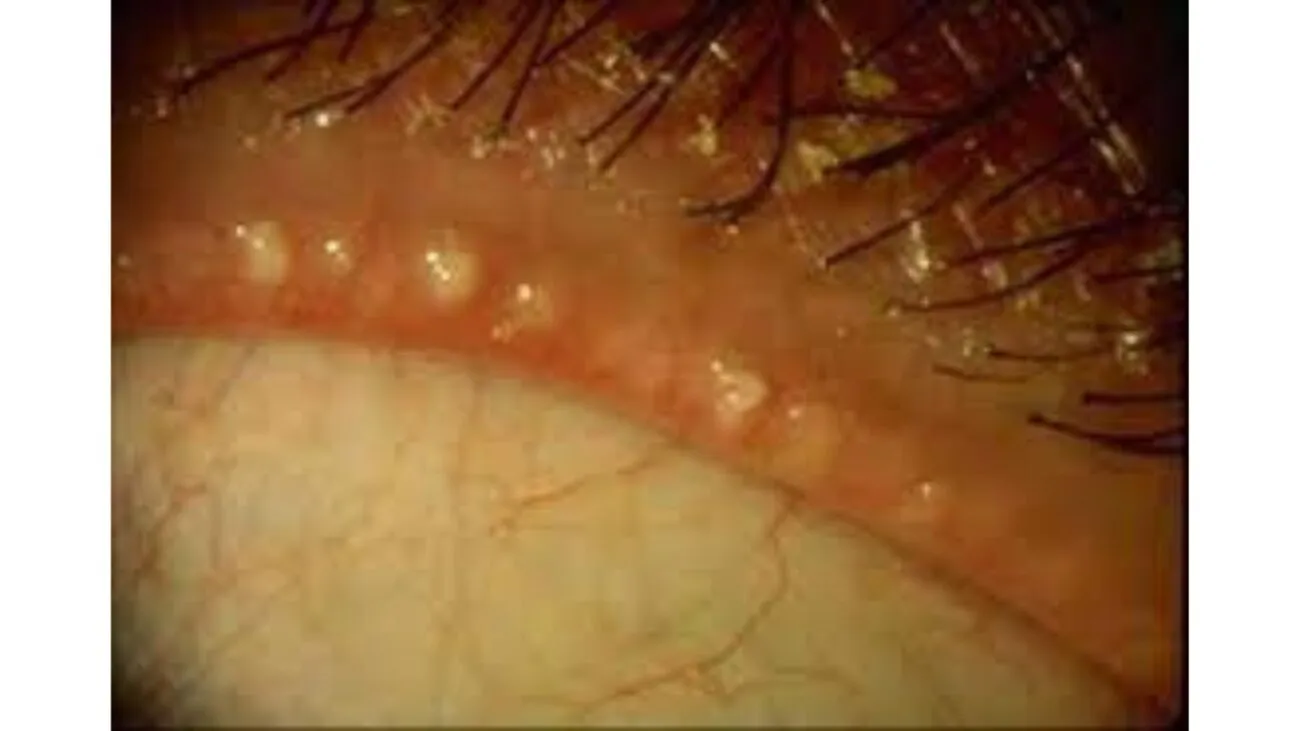
What are the symptoms of MGD?
The following are the MGD symptoms that vary from person to person:-
- Dry, gritty, or burning sensation in the eyes.
- Red, itchy, or swollen eyelids.
- Blurry vision, especially after long periods of reading or screen time.
- Sensitivity to light.
- Excessive tearing ovvurs due to meet scarcity of lubricants.
What causes MGD?
The primary cause of MGD is the blockage or malfunctioning of the Meibomian glands resulting out of following factors:-
- Aging – Glands naturally degenerate with age.
- Chronic eye conditions – Blepharitis or Rosacea can lead to gland dysfunction.
- Hormonal changes – These can affect the quality and quantity of oil produced by the glands.
- Environmental factors – Wind, dry climates, and prolonged screen time can exacerbate symptoms.
- Contact lens wear – This can reduce blinking, which is essential for stimulating the glands.
How is MGD diagnosed?
A diagnosis of MGD is typically made by an ophthalmologist or optometrist during an eye exam. Tests include:-
- Slit-lamp examination – This allows the doctor to closely examine the Meibomian glands and the quality of the tear film.
- Tear Break-Up Time (TBUT) – This test measures how long the tear film remains stable before breaking up.
- Meibography – Imaging of the Meibomian glands can reveal any structural abnormalities or blockages.
How is MGD managed and treated?
Management of MGD often focuses on improving gland function and alleviating symptoms. Treatments may include:-
- Warm compresses – Applying heat to the eyelids helps to soften the oils and unblock the glands.
- Lid massage – Gently massaging the eyelids can help express the oil from the glands.
- Artificial tears – Lubricating eye drops can help relieve dryness and irritation.
- Medications – Antibiotics or anti-inflammatory drugs may be prescribed to reduce inflammation.
- LipiFlow or intense pulsed light (IPL) therapy – These specialized treatments help clear blockages in the Meibomian glands.
Can MGD be prevented?
While MGD may not always be preventable, certain habits can help minimize symptoms:-
- Maintain proper eyelid hygiene – Regularly clean the eyelids to prevent blockages.
- Take breaks from screens – Practice the 20-20-20 rule – every 20 minutes, look at something 20 feet away for 20 seconds to encourage blinking.
- Use a humidifier – This helps maintain moisture in dry environments.
What is the outlook for someone with MGD?
With proper management, most people with MGD can experience significant relief from symptoms. However, it is often a chronic condition that requires ongoing care.
How can someone live with MGD?
Living with MGD involves adopting a routine that includes regular eyelid hygiene and following any treatment plans recommended by an eye care professional. Staying hydrated, using artificial tears, and maintaining a humid environment can make a significant difference in day-to-day comfort. Regular follow-up visits are important to monitor the condition and adjust treatments as necessary.
Why Tender Palm Eye Hospital for Meibomian Gland Dysfunction (MGD) Treatment in Lucknow, India?
Tender Palm Eye Hospital, renowned for its outstanding eye care services, is home to some of the most experienced and skilled ophthalmologists in the country. The hospital’s ophthalmology department specializes in diagnosing and treating a wide range of eye conditions, including Meibomian Gland Dysfunction (MGD), a common yet often overlooked cause of dry eye and other ocular discomforts. With the finest eye specialists well-versed in the complexities of eyelid and tear film disorders, the Tender Palm Eye Hospital has established itself as the leading center for ophthalmic care in Gomtinagar, Lucknow (U.P.), India.
At Tender Palm, patients with MGD benefit from access to advanced diagnostic tools and state-of-the-art treatments tailored to their specific needs. The hospital boasts cutting-edge infrastructure, including Meibography imaging technology, and specialized therapies such as LipiFlow and Intense Pulsed Light (IPL) for the effective management of Meibomian Gland Dysfunction. The team of ophthalmologists provides individualized care that focuses not only on relieving symptoms but also on improving long-term eye health and comfort.
Whether you are experiencing chronic dry eye symptoms, eyelid irritation, or blurred vision, the experts at Tender Palm are dedicated to providing top-notch medical care for Meibomian Gland Dysfunction and other ocular surface diseases. From comprehensive eye exams to the latest in medical treatments, the hospital ensures that each patient receives the highest standard of care.

